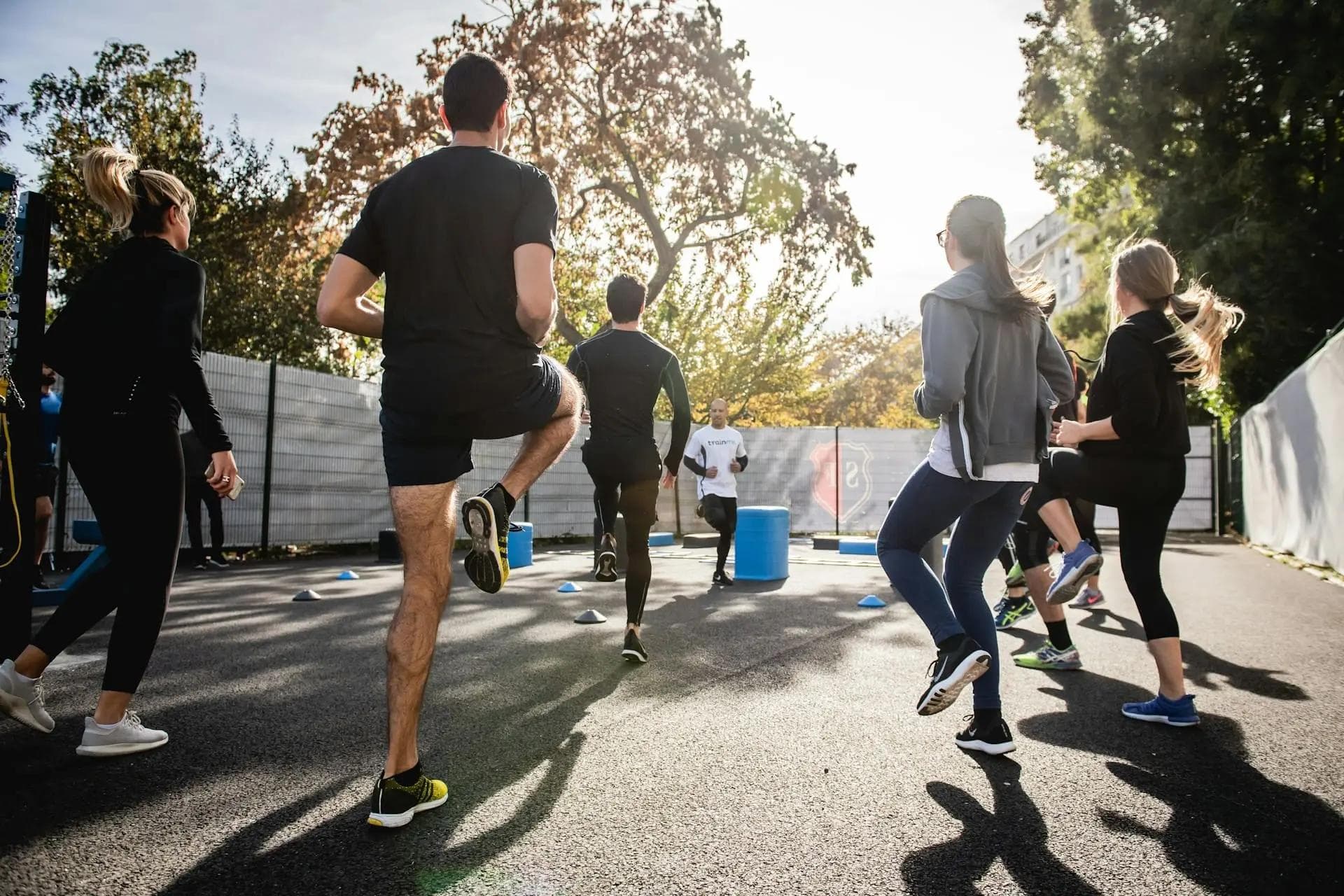
Introduction: Why Movement Matters During the Workday
For many people, the workday involves long hours of sitting—whether at a desk, in meetings, or in front of a computer. Over time, this can leave you feeling stiff, tired, and mentally drained. The issue is not just about fitness, but about how your body responds to being inactive for extended periods. Sitting too long can affect circulation, posture, and even your ability to concentrate, making it harder to stay focused as the day goes on.
The good news is that you do not need a full workout session to counter this. Even short bursts of movement can help reset both your body and your mind. Taking just five minutes during your break to move around can improve how you feel physically and mentally, making the rest of your workday more manageable.
Why Short Exercise Breaks Work
Short exercise breaks are effective because they interrupt long periods of inactivity and help restore movement to your body. When you move, your blood circulation improves, allowing more oxygen to reach your brain and muscles. This can lead to improved concentration, reduced stiffness, and better energy levels throughout the day.
Instead of relying only on Redbull or passive breaks, using that time to move gives you a more consistent and lasting boost. Over time, these small actions can help prevent the physical strain that builds up from sitting for too long.

1. Neck and Shoulder Rolls
Tension in the neck and shoulders is one of the most common effects of sitting for long periods, especially when working at a computer.
- Roll your shoulders forward for 10–15 seconds
- Roll them backwards for another 10–15 seconds
- Gently tilt your head from side to side
These small movements help reduce tightness and improve posture throughout the day.
2. Overhead Stretch
A quick overhead stretch can help loosen tight muscles in your upper body and improve flexibility.
- Raise your arms above your head
- Stretch upwards for 10–15 seconds
- If standing, stretch down towards your toes
This helps counter the hunched position many people adopt while working.
3. Bodyweight Squats
Bodyweight squats are an effective way to activate your lower body and increase blood flow.
- Stand with your feet shoulder-width apart
- Lower yourself as if sitting down
- Return to a standing position
- Repeat 10–15 times
This helps reduce stiffness in your legs and improves circulation.
4. Wall or Desk Push-Ups
If traditional push-ups are not practical in your workspace, wall or desk push-ups are a simple alternative.
- Place your hands on a wall or desk
- Lower your body towards it
- Push back to your starting position
- Repeat 10–15 times
This is a simple way to engage your upper body during the workday.
5. Short Walk
Sometimes the simplest option is the most effective.
- Walk around your workspace or outside
- Aim for 2–5 minutes
This helps clear your mind and reduces the feeling of being stuck in one position.
How to Make It a Habit
The biggest challenge is not the exercises themselves, but remembering to do them consistently. One way to build this habit is by setting reminders every one to two hours or linking movement to specific tasks, such as taking a short break after completing a piece of work. Keeping the routine simple and realistic makes it easier to maintain over time.
The goal is not to interrupt your workflow, but to support it by keeping your body active throughout the day.

Bringing It All Together
You do not need a gym or a strict routine to stay active during the workday. Small, consistent movements can make a noticeable difference in how you feel both physically and mentally. By taking just a few minutes during your breaks to move, you can reduce stiffness, improve focus, and maintain your energy levels.
Over time, these small habits build into something more meaningful, helping you stay productive without feeling constantly drained.
References
Department of Employment and Labour – Ergonomics Programme document
Department of Employment and Labour – What every employer and employee should know for the digital economy
Western Cape Government – Staying Healthy and Content at work
Discovery – Employee Wellness
NHS – Physical activity guidelines for adults aged 19 to 64
NHS – Why sitting too much is bad for us
Mayo Clinic – Desk stretches
Mayo Clinic – Office ergonomics: Your how-to guide